

A Simple Guide to: Curtain and Blind Linings
Take a peek behind the curtain… literally!
curtain and blind linings explained
Curtain and blind linings are the unsung heroes of window dressing. Often unseen, they work hard behind the seams to improve drape, insulation and longevity.
Lining roles - The WHY?
Improve insulation - with a range of thermal options available
Light control - from partial to full blackout (perfect for bedrooms)
Protect fabric - helping preserve delicate and printed fabrics from UV damage
Refine the drape - adding body and structure for a more luxurious finish
What to consider when selecting Lining / interlining for curtains & Roman Blinds:
Purpose
Room and orientation
Fabric compatibility
Colour and opacity
Durability
Enviromental impact
Aconite's quick guide to linings:

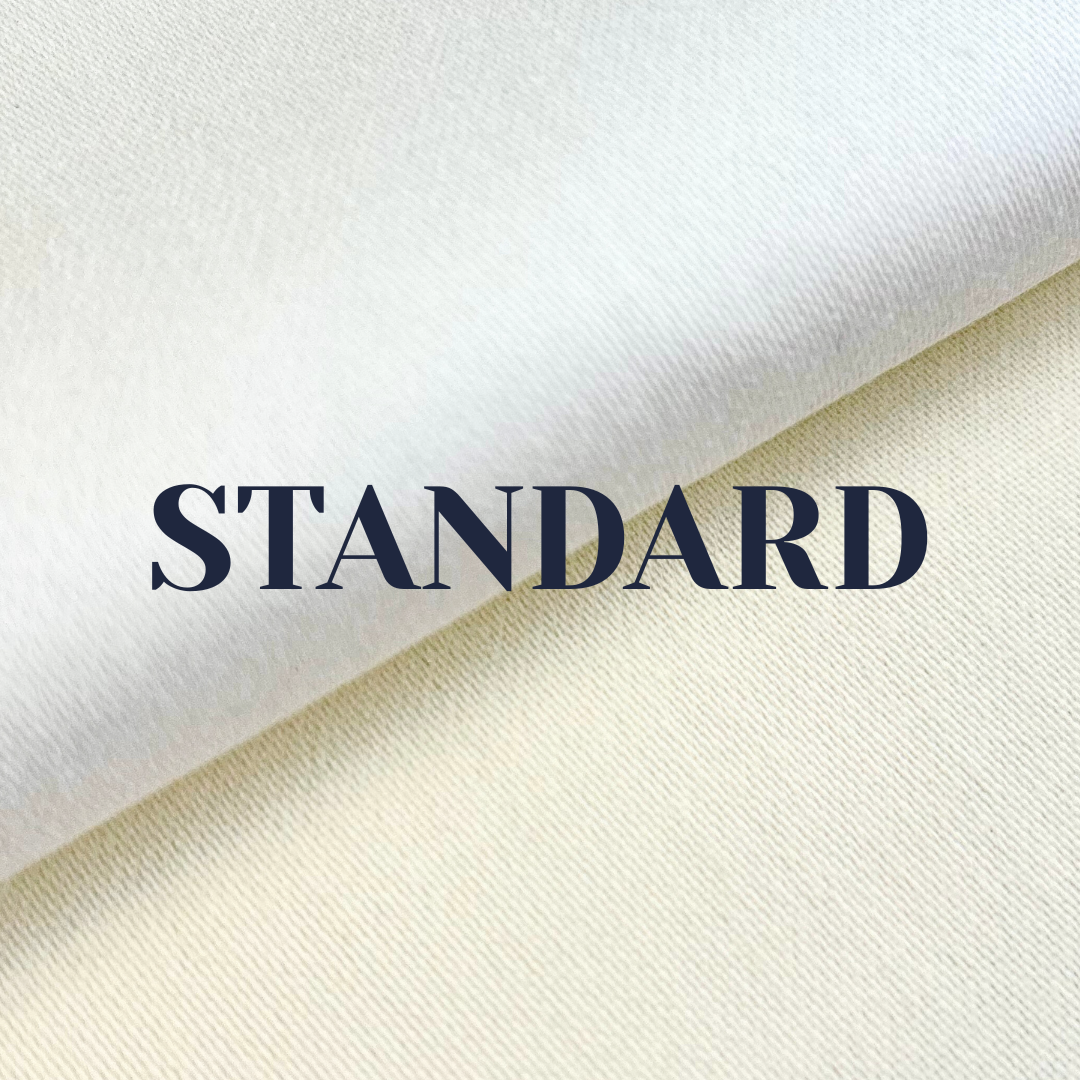
Standard lining (cotton)
Adds slight weight and opacity, usually in cream or white.
Softens the drape and is ideal for general living areas.
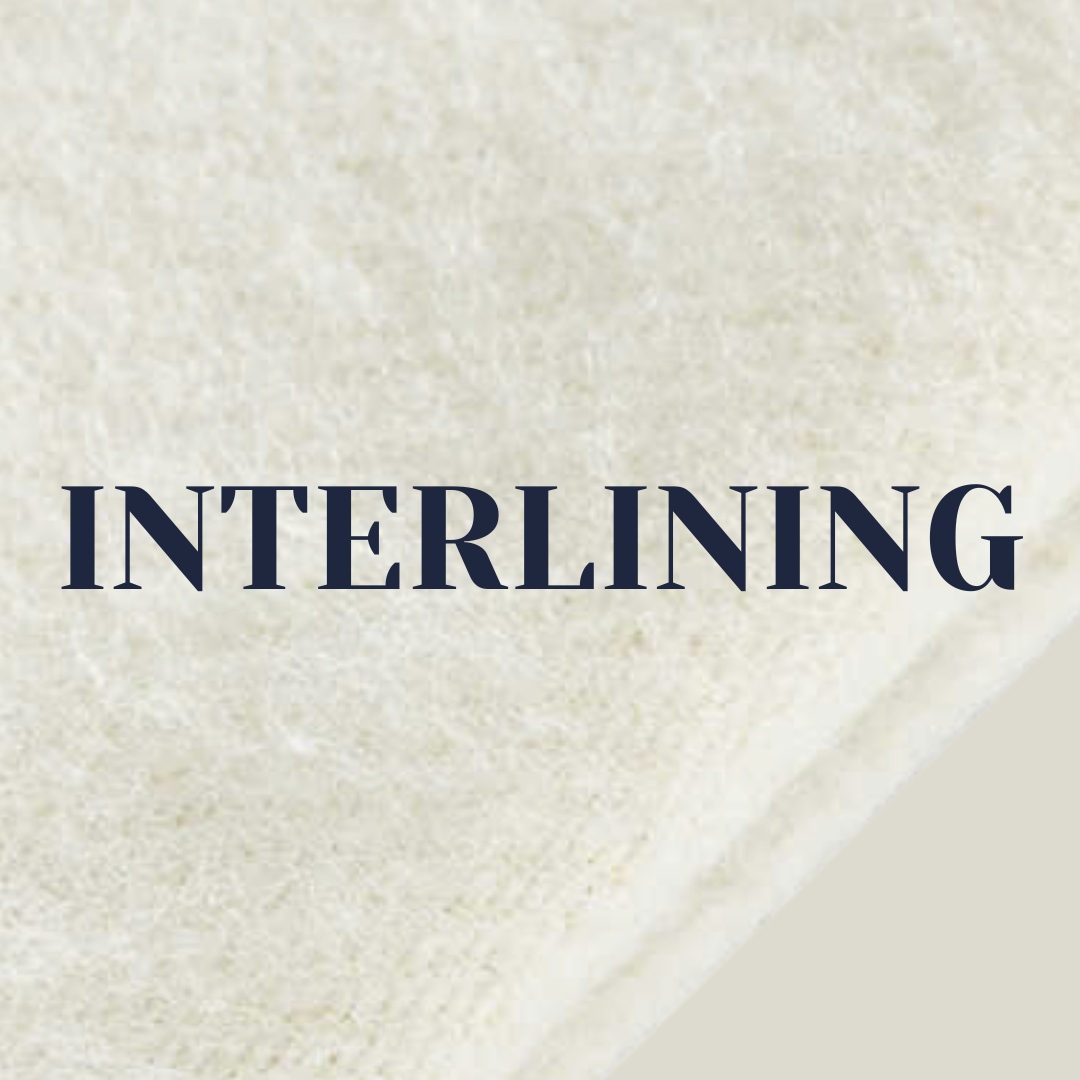
Interlining
Available in a variety of thicknesses. This is a separate thicker layer placed between your chosen fabric and standard lining to add body, enhance drape and improve insulation.
Blackout lining
Like interlining, this is a separate layer and can be used in conjunction with interlining. It blocks out nearly all incoming light, making it a great choice for bedrooms.
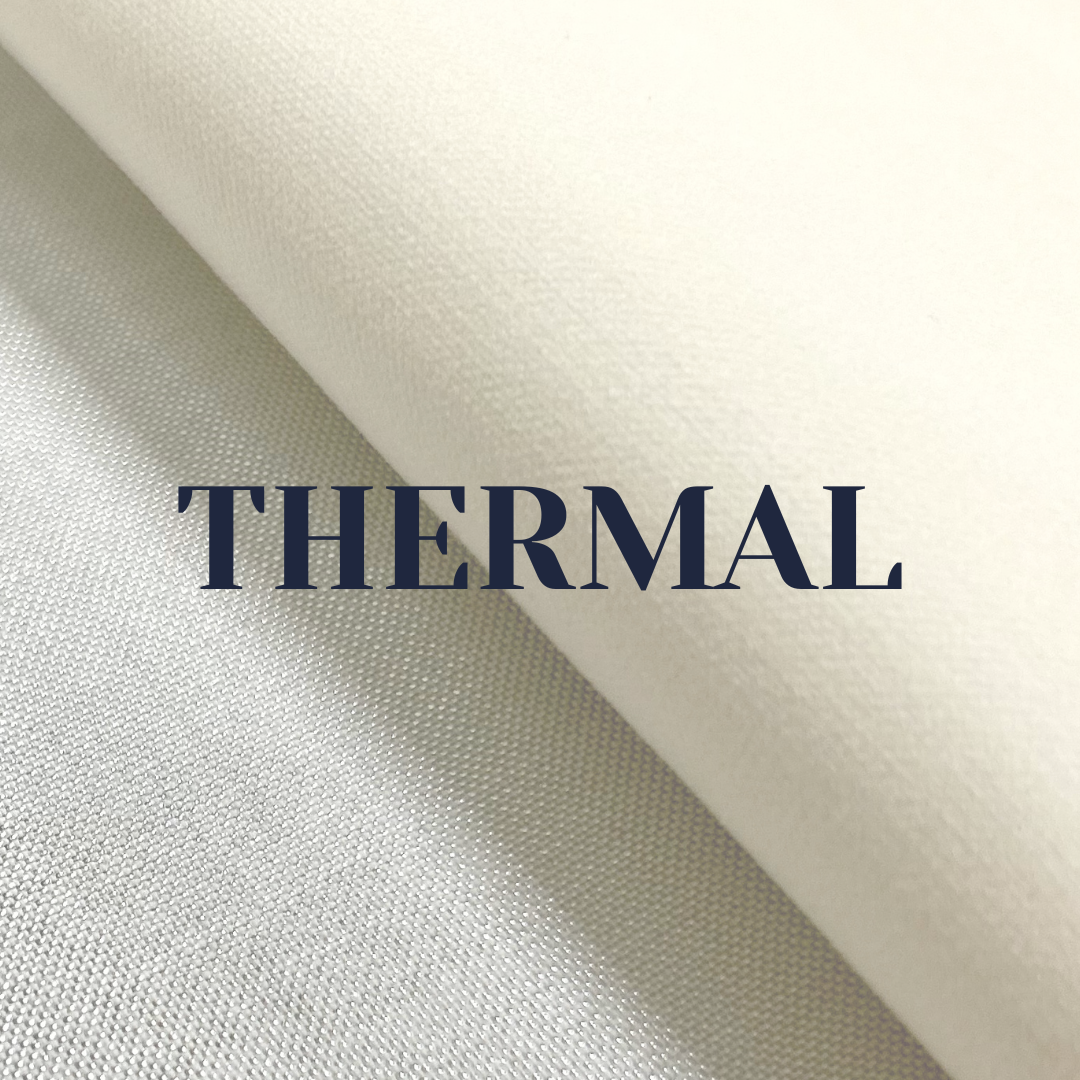
Thermal curtain lining
Designed to improve insulation, helping keep rooms warmer in winter and cooler in summer.
Because linings sit quietly in the background, choosing the right one for your home can feel like a bit of a minefield.
That’s where Aconite Interiors comes in… contact us today or take our short quiz here to find out more.
